Portugal Property Guide: Algarve to Lisbon
Compare Portugal’s leading property regions, understand the buying process and decide whether the Algarve, Lisbon, the Silver Coast or another market best suits your plans.

Why Portugal remains a long-term favourite
Portugal combines an established legal system, strong air connections, varied landscapes and a broad choice of residential property. Buyers can choose between managed resort homes, historic city apartments, contemporary coastal villas and rural estates without leaving a relatively compact country. For many international owners, the appeal is as much about ease of use as climate.
Demand, pricing and seasonality differ sharply by region. A property near a championship golf course in the Central Algarve behaves differently from a Lisbon apartment or a family home on the Silver Coast. Buyers should therefore begin with intended use and travel patterns rather than asking which part of Portugal is universally best.
The Algarve: established coastal living
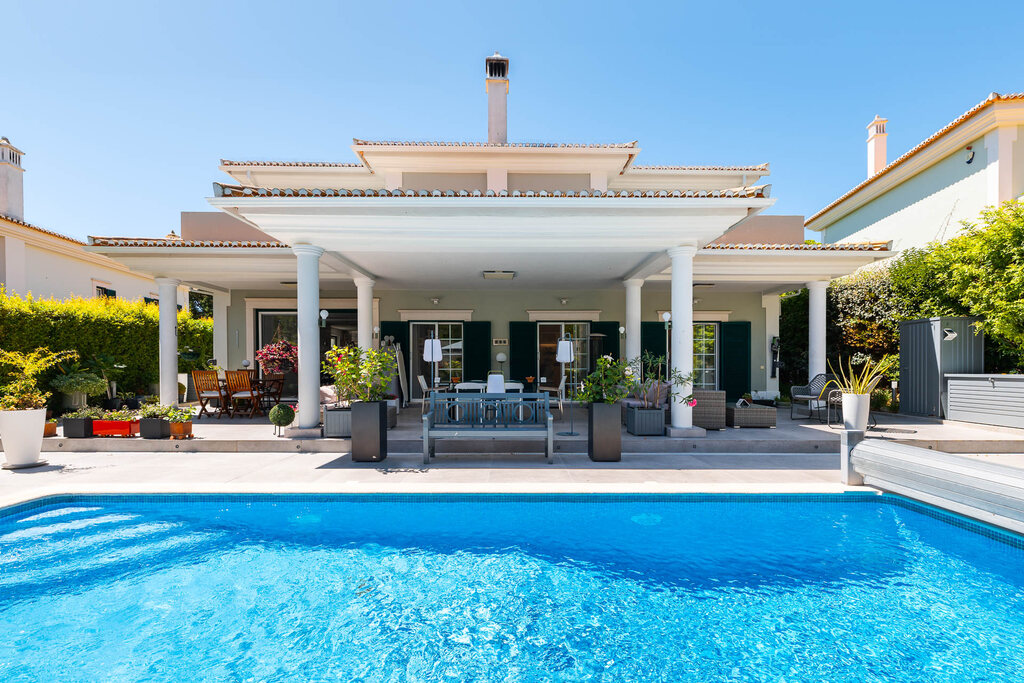
The Algarve is Portugal’s best-known international property market. Faro Airport, mature tourism infrastructure and a long operating season support second-home ownership across the region. Central Algarve locations such as Quinta do Lago, Vale do Lobo, Vilamoura and Almancil are associated with premium villas, golf, restaurants and professional property management.
Further west, buyers find dramatic coastline, established towns and a more varied mix of resort and traditional settings. The eastern Algarve has a quieter character, access to the Ria Formosa and towns where everyday Portuguese life remains visible throughout the year. Journey time, rental objectives and appetite for maintenance should guide the choice between these submarkets.
Lisbon and the surrounding coast
Lisbon offers a city lifestyle, international business activity and year-round demand, but individual neighbourhoods can vary street by street. Historic buildings may offer character while requiring careful technical checks, particularly around communal repairs, roofs, façades, lifts and alterations. Modern developments provide different conveniences but may command a premium.
Cascais, Estoril and the coastline west of Lisbon appeal to buyers who want beaches, international schools and access to the capital. Commuting times should be tested in real conditions. The wider Setúbal and Comporta areas offer another coastal proposition, with planning, environmental controls and infrastructure playing an important role in due diligence.
Porto, the Silver Coast and emerging alternatives
Porto combines a strong identity, university population, tourism and an expanding international profile. As in Lisbon, buyers should understand licensing, building condition and the balance between visitor demand and long-term residential use. Northern Portugal also brings a cooler, greener climate that may suit buyers seeking year-round life rather than a traditional sun destination.
The Silver Coast includes towns and resorts north of Lisbon where buyers often find more space for their budget. Conditions can be breezier and winter life quieter in some coastal communities, so extended visits are valuable. Inland Portugal offers value and authenticity but requires careful thought about healthcare, transport, heating and resale demand.
How a Portuguese purchase progresses
International buyers typically obtain a Portuguese tax number, open suitable banking arrangements and appoint an independent lawyer. After an offer is accepted, the lawyer checks ownership, registrations, planning, licences, debts and the terms of any condominium. A promissory contract is then commonly signed with a deposit before the final deed and registration.
The sequence can vary according to whether the property is new, resale, mortgaged or held through a company. Buyers should never transfer a reservation or contractual deposit without written terms explaining custody, refund conditions and the exact property being secured.
- Obtain a Portuguese tax number and independent representation
- Verify title, licences, plans and tax records
- Review condominium debts, budgets and restrictions
- Agree inventory and fixtures in writing
- Confirm purchase taxes and completion costs
Running costs and practical ownership
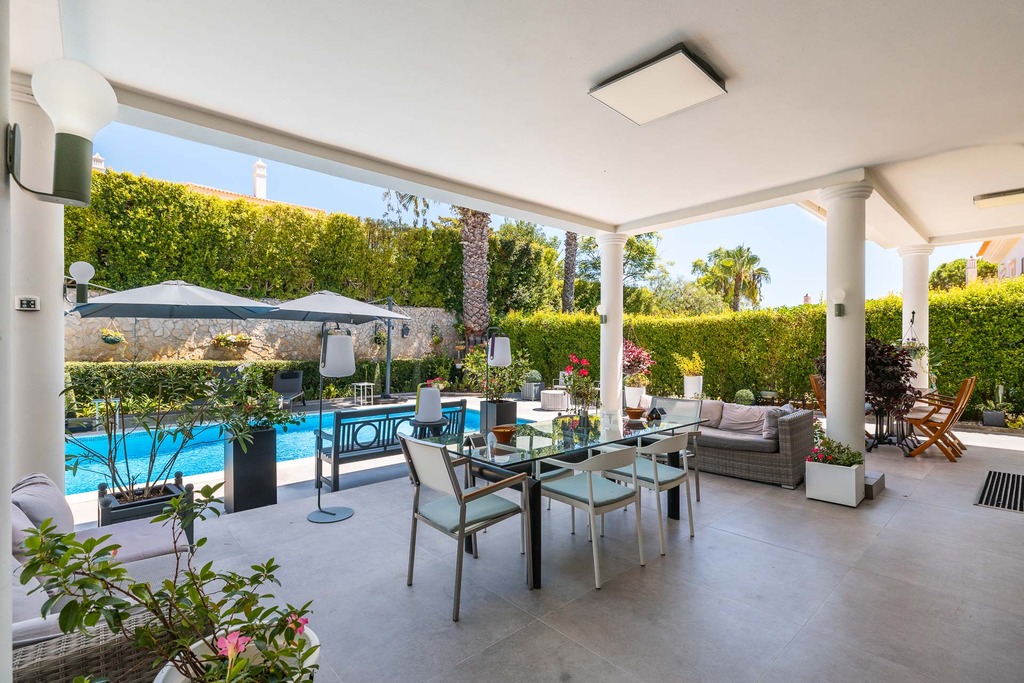
Annual costs may include municipal property tax, condominium fees, insurance, pool and garden care, utilities, security and accounting. Resort properties can offer a convenient service structure, but owners should read management and rental agreements carefully. Check whether fees are fixed, indexed or linked to the level of service used.
For short-term letting, licensing and condominium rules require specific advice. Rental assumptions should use realistic occupancy, management, cleaning, platform, maintenance and tax costs. A property should remain affordable if rental income is lower than forecast.
Choosing the right Portuguese market
The strongest purchase is one aligned with the owner’s actual routine. Frequent short trips favour straightforward airport access and professional management. Longer stays may justify a more residential location with deeper year-round services. Families may prioritise schools and flexible bedroom space, while retirement buyers may place healthcare and walkability first.
Compare at least two regions and revisit the preferred location outside peak season. Portugal offers many excellent property markets, but the goal is not to buy in the most famous place. It is to find the location, property type and ownership model that continue to make sense after the initial excitement has passed.
Continue your research
Every international purchase should be assessed on its own facts. Compare this guidance with our other overseas property articles, explore properties currently available, or start a private conversation about your requirements.